CNEPCenter for Neural Engineering & Prostheses
Leadership

Co-directed from both campuses.

CNEP is led jointly by a neurosurgeon-scientist at UCSF and a systems neuroscientist and engineer at UC Berkeley.

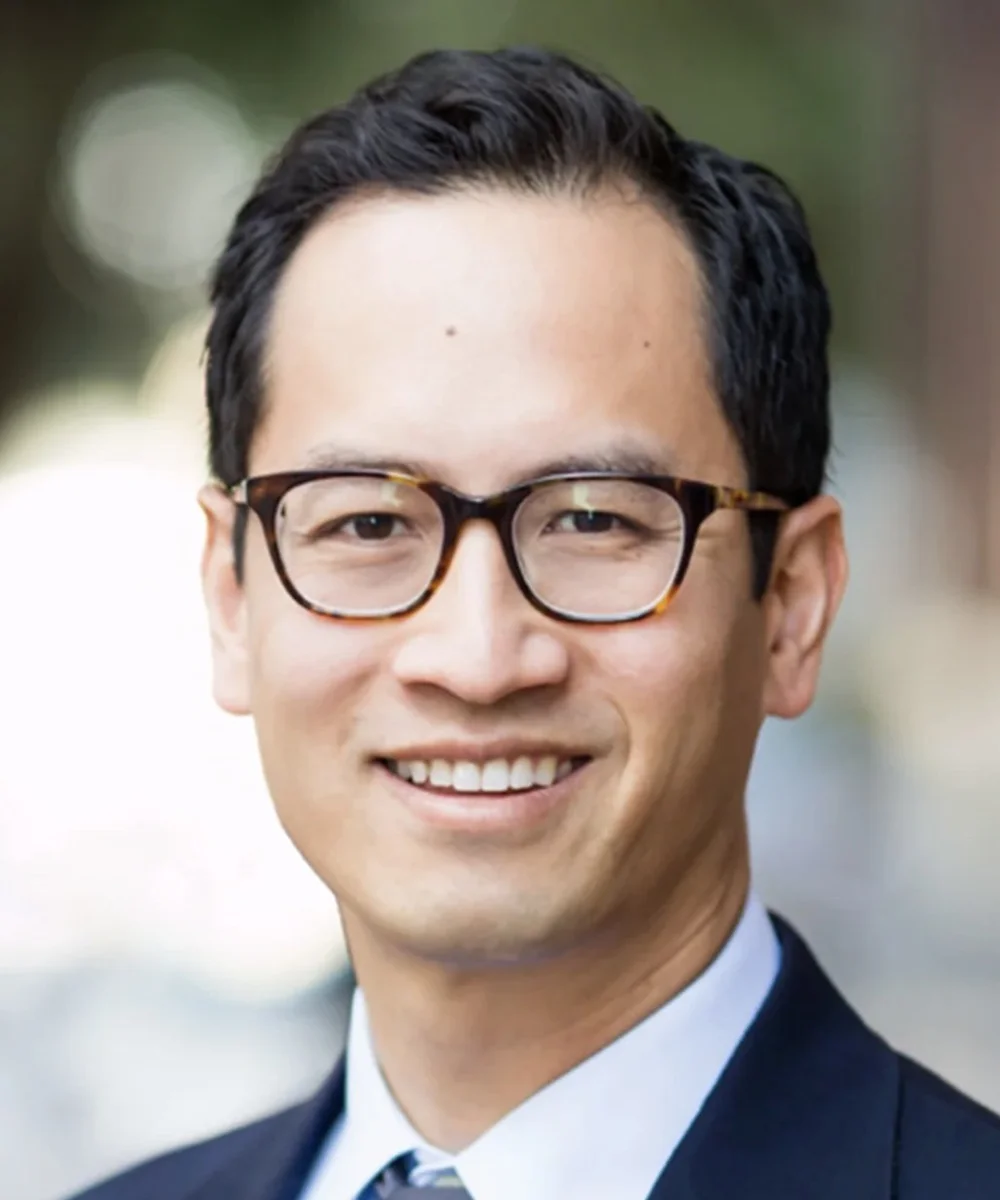
Edward Chang
Co-Director · UCSF

Edward Chang, MD

A founding director of CNEP, Dr. Edward Chang is Department Chair for Neurological Surgery at UCSF. His wide-ranging and impactful research has revealed critical aspects of the brain's ability to understand and produce language, and he has helped to pioneer real-time decoding of the brain's speech signals through brain-computer interfaces for those who have lost the ability to communicate. His research program has also helped to advance closed-loop neuromodulation approaches for the treatment of severe neuropsychiatric disorders such as major depression and chronic pain.

As a neurosurgeon, Dr. Chang's clinical focus includes difficult-to-control epilepsy, brain tumors, trigeminal neuralgia, and movement disorders, with specialist expertise in advanced brain mapping methods to preserve crucial areas for speech and motor functions in the brain. He also has extensive experience with implantable neuromodulation devices to relieve seizure, movement, pain and other disorders.

Dr. Chang earned his medical degree at UCSF, where he also completed a residency in neurosurgery. He was honored with the Blavatnik National Laureate for Life Sciences in 2015. In 2020, he was elected to the National Academy of Medicine, an honor that recognizes outstanding achievements and service in the fields of medical sciences, health care and public health.
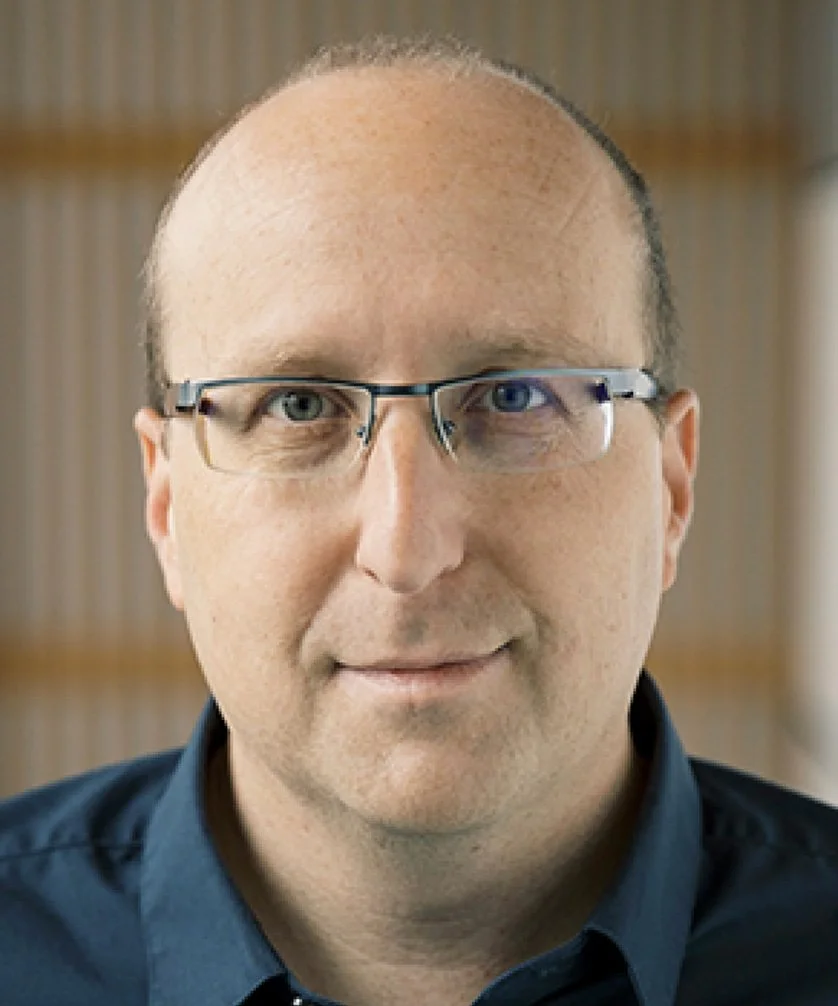
Michael Yartsev
Co-Director · UC Berkeley

Michael Yartsev, PhD

Dr. Michael Yartsev is a Howard Hughes Medical Institute Investigator and Professor of Bioengineering and Neuroscience at UC Berkeley, where he directs the NeuroBat Lab. Trained as a biomedical engineer, he works at the junction of neuroscience and engineering: his laboratory builds the instruments it needs to study the brain during natural behavior, and uses them to uncover how neural circuits support navigation, social interaction and communication.

Working with an unusual model system, the bat, his group has pioneered a suite of technologies for monitoring and manipulating neural activity in freely behaving and freely flying animals, including wireless neurophysiology and wireless calcium imaging. These tools make it possible to record from neural circuits at unprecedented detail while an animal navigates in three dimensions, interacts with others and vocalizes, and they bear directly on the central challenge of neural engineering: reading and shaping brain activity reliably outside the constraints of the laboratory bench. His neuroethological approach to spatial memory, precision navigation, communication and group behavior aims to reveal core principles of brain function in the mammalian brain.

Dr. Yartsev earned his B.Sc. and M.Sc. in Biomedical Engineering at Ben-Gurion University and his Ph.D. in Neuroscience at the Weizmann Institute of Science, then trained as a C.V. Starr Fellow at the Princeton Neuroscience Institute in the laboratory of Carlos Brody. He holds the Miller Professorship at UC Berkeley and is a 2026 Guggenheim Fellow. His honors include the Richard Lounsbery Award from the National Academy of Sciences, the Society for Neuroscience Young Investigator Award, the Packard Fellowship, the NIH Director's New Innovator Award, the Sloan Research Fellowship, the McKnight Scholar Award, the Searle, Pew and Klingenstein-Simons scholar awards, the Vallee Scholar Award, and the Eppendorf & Science Prize for Neurobiology.